
|
| Our subscribers' grade-level estimate for this page: 2nd - 3rd |
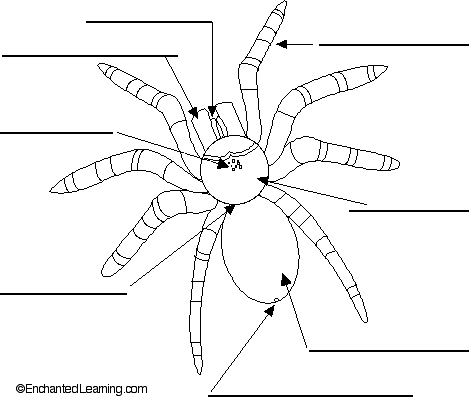
| Answers | Label the External Spider Anatomy Diagram |
Spider Printouts |
|
abdomen - the belly, also called the opisthosoma. It contains the guts, heart, reproductive organs, and silk glands. cephalothorax - the fused head and thorax, also called the prosoma. It contains the brain, jaws, eyes, stomach, and leg attachments. eyes - tiny eyes (also called ocelli) that can only detect light and dark - they are located on top of the spider's cephalothorax. Most species of spiders have 8 eyes, but other species have 12, 6, 4, 2 or no eyes. jaws - also called chelicera, they are located below the eyes. The jaws are tipped with fangs that can inject poison. |
leg - spiders have 8 legs. Each leg is made of seven segments and has 2 or 3 tiny claws at the tip. If a leg is lost, it will grow back. pedicel - the spider's waist - it connects the cephalothorax and the abdomen. pedipalps - also called palps, these two sensory feelers look like very short legs attached to the front of the spider - they taste food. spinnerets - where the spider's silk is released - they are located at the tip of the abdomen. |
| Search the Enchanted Learning website for: |